Thursday, June 19, 2014

Tree Planting on the Elm Park Reserve 19 June 2014

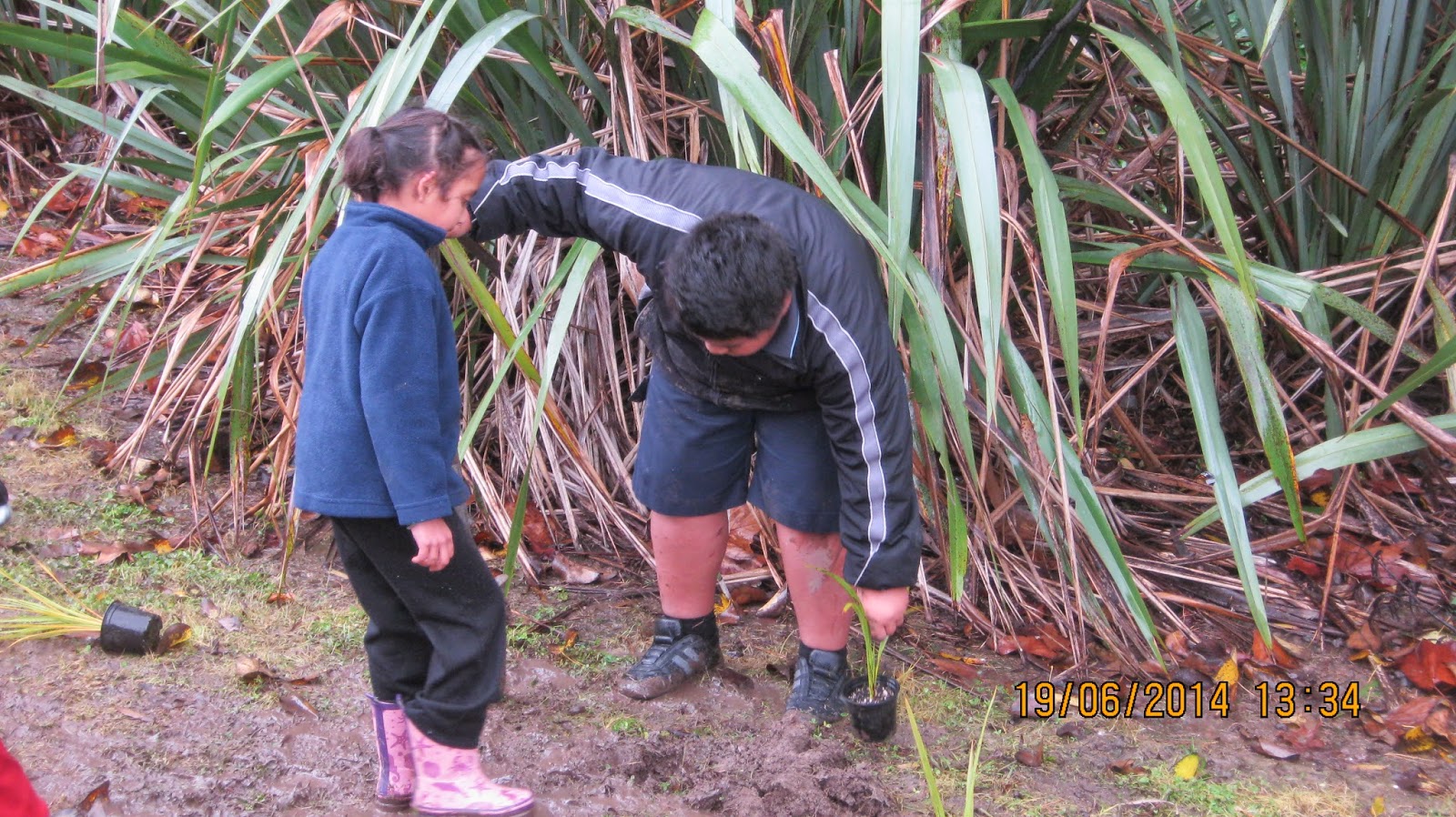
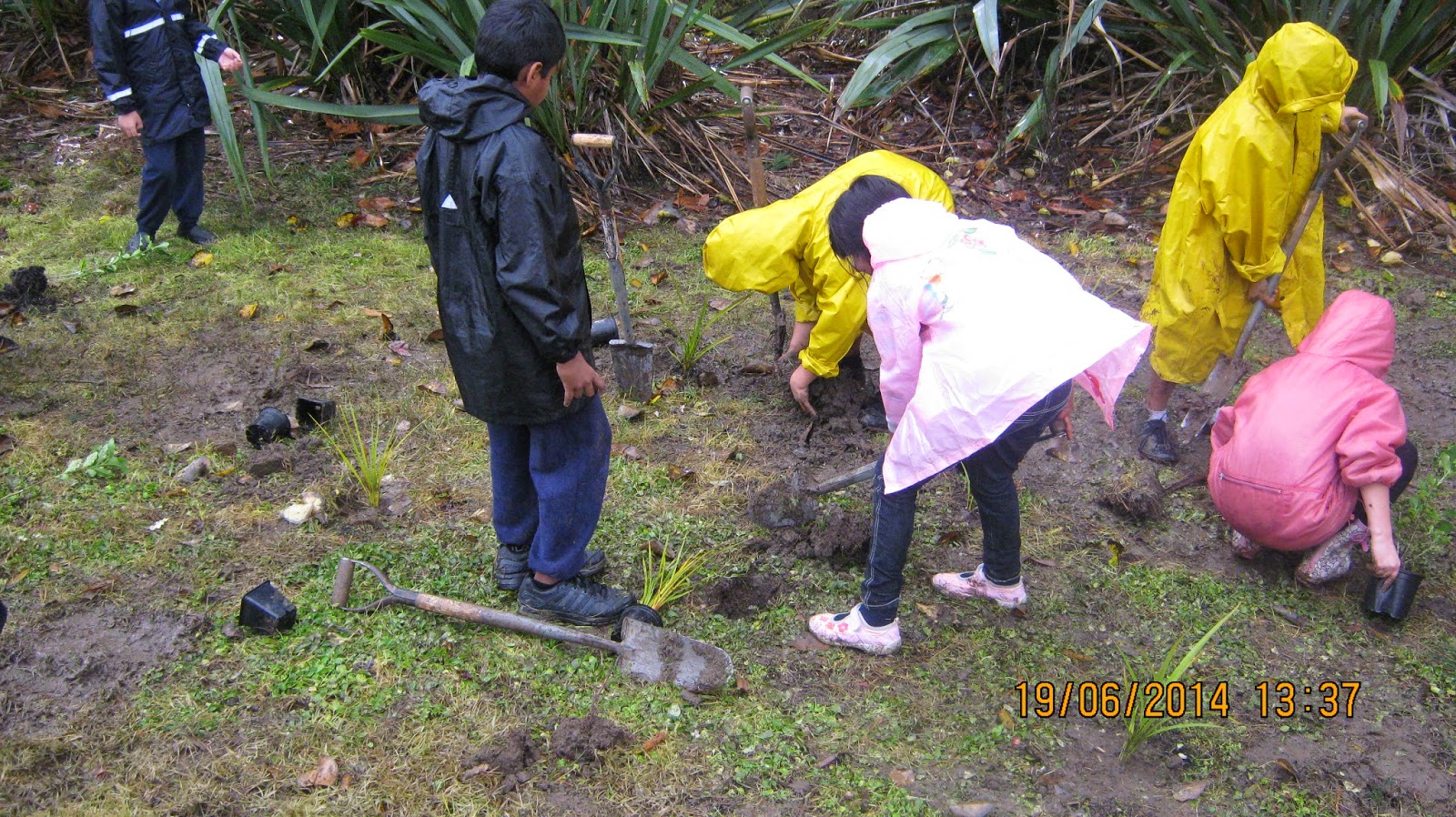
Our first attempt to plant trees on the Elm Park Reserve was cancelled due to poor weather and the 19th of June also turned out to be a drizzly day.  However, the Year 4 classes wrapped up warmly and helped Auckland City Council workers to plant 500 trees along the Pakuranga Stream.

Have a look at the photos that show the plants and the muddy conditions.

It was a very satisfying morning for us all.  Our thanks to Anna Baine for organising the tree planting.


Tuesday, June 3, 2014

Community Experts Help Us With Our Pest Animal Inquiry


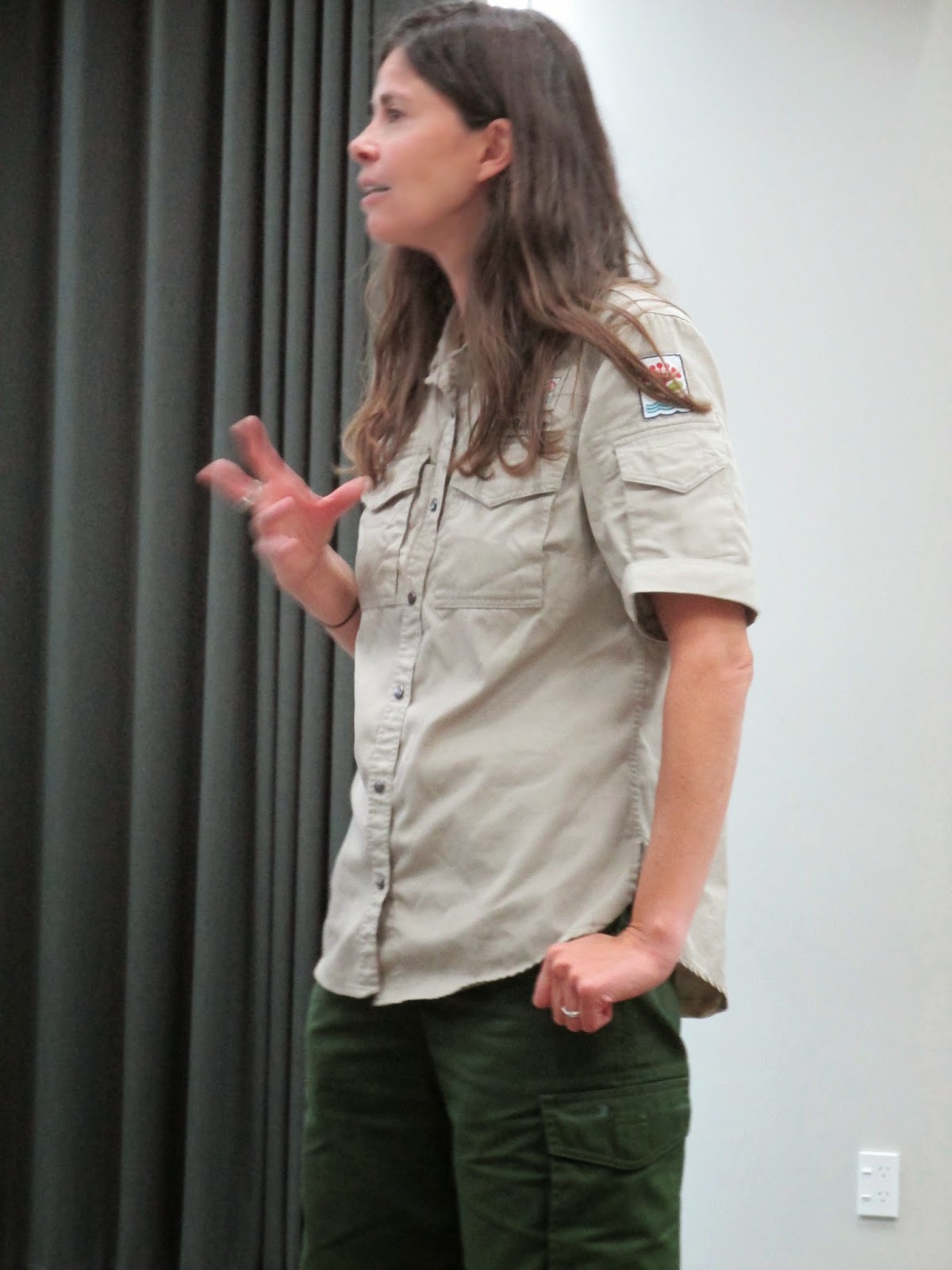
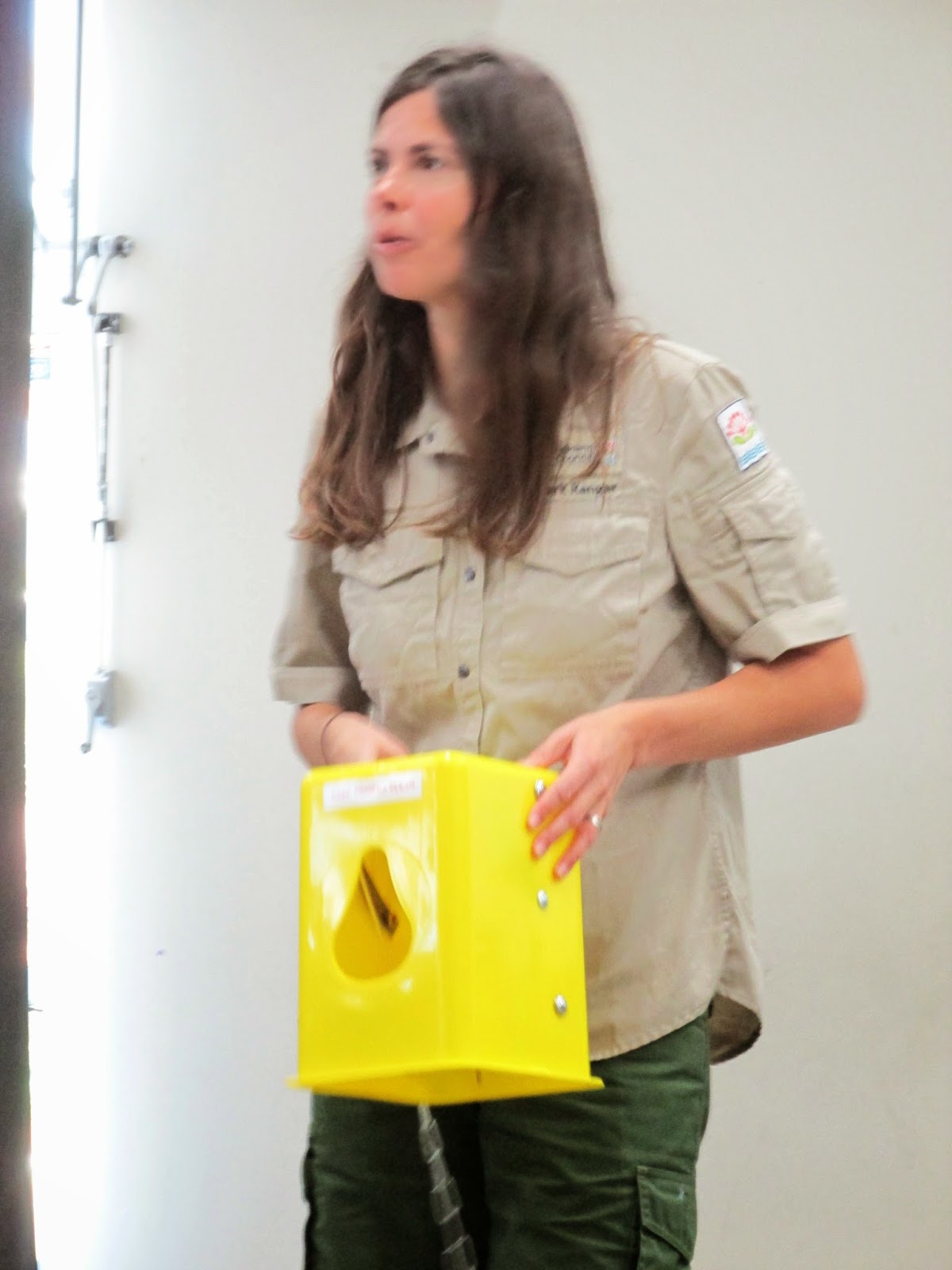
Anna Baine works for the Auckland City Council. 
                   

Ms Baine talking to us today
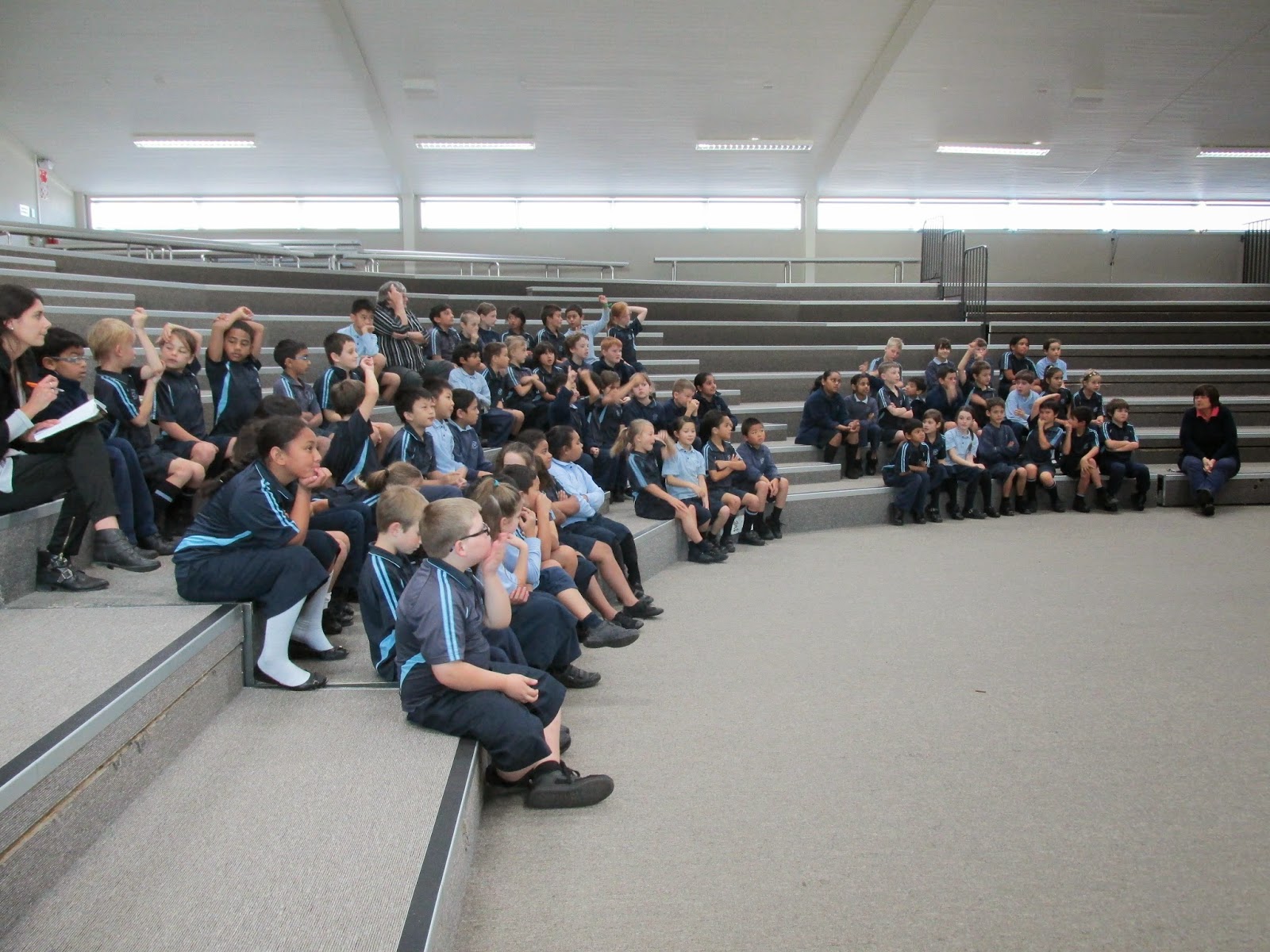
Yr 4 students asking questions...


Ms Baine works in our community to help people take care of their neighbourhoods in lots of ways:

  • helping people to plant native trees so that we encourage native birds
  • teaching people all about animals that have become pests since they were introduced into New Zealand
  • teaching people about ways we can work out what pest animals are in our neighbourhood
  • recommending ways to get rid of unwanted pest animals

Look at some of the awful animal pests that we now have in New Zealand...
Stoat (one of the animals in the mustelid family)


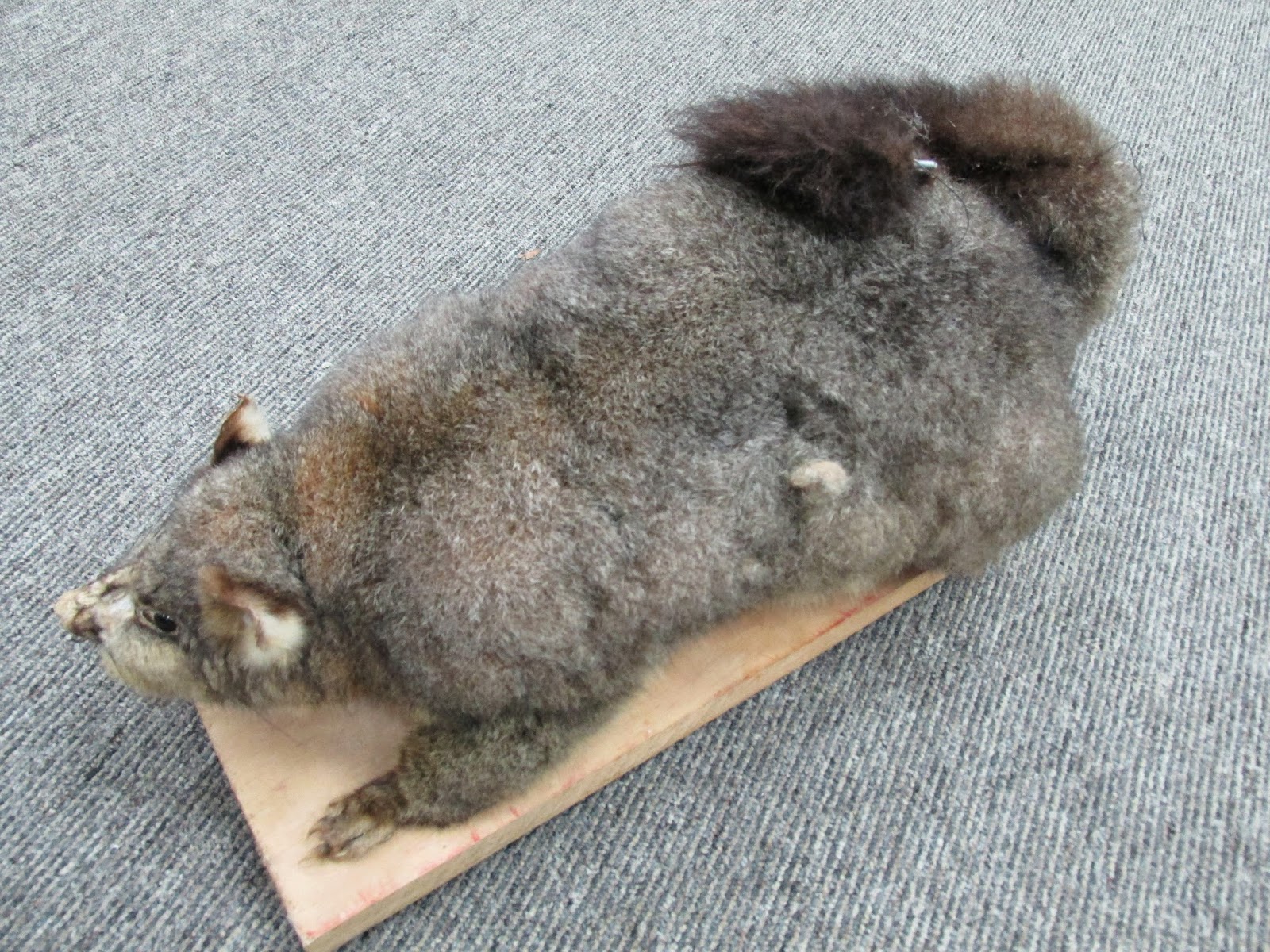
Possum

Many pests were introduced into New Zealand for their fur.  But once the animals were here and were released into the wild their numbers exploded and we had a terrible problem. 

We also learned that:
  •  we now have 70 million possums in New Zealand
  •  possums eat native trees and this affects our native birds
  •  possums also eat native birds' eggs and baby chicks
  • they can give tuberculosis (TB) to cattle on farms near the bush                          
Ms Baine told us how we can get rid of unwanted animal pests in New Zealand
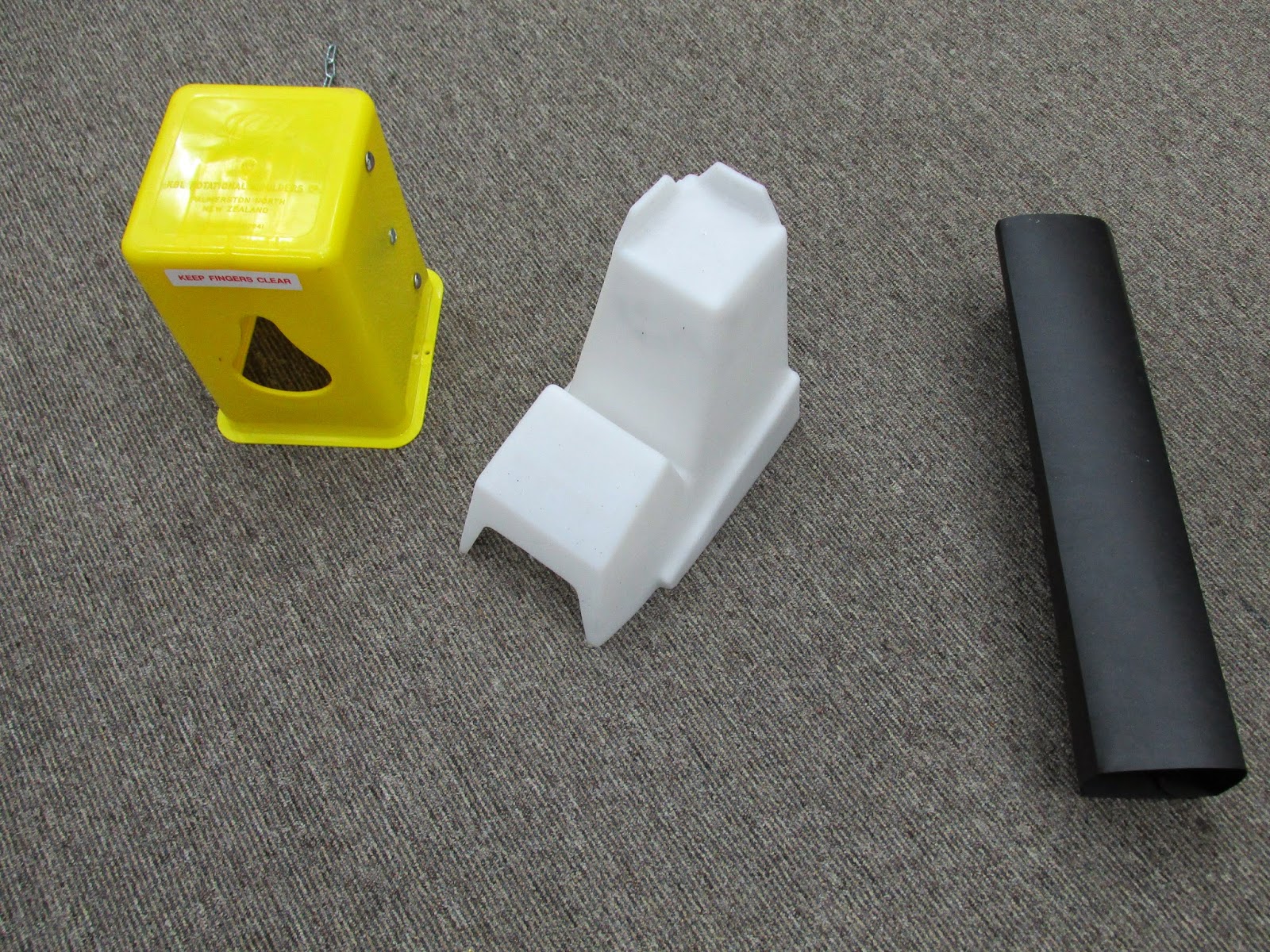
  • by trapping with special plastic traps
  • by poisoning with 1080 poison
  • by hunting


Ms Baine showing a trap
Trap, poison trap, and monitoring tunnel called a tracker tunnel
   
 We read all about the pest animals:

  • feral cats
  • rats
  • hedgehogs
  • stoats
  • weasels
  • ferrets
  • possums


At the end of the talk some children helped Ms Baine set 5 tracker tunnels on the Reserve and on our back field.  Read the related blog post to see how pest animals are attracted to the tracker tunnels.

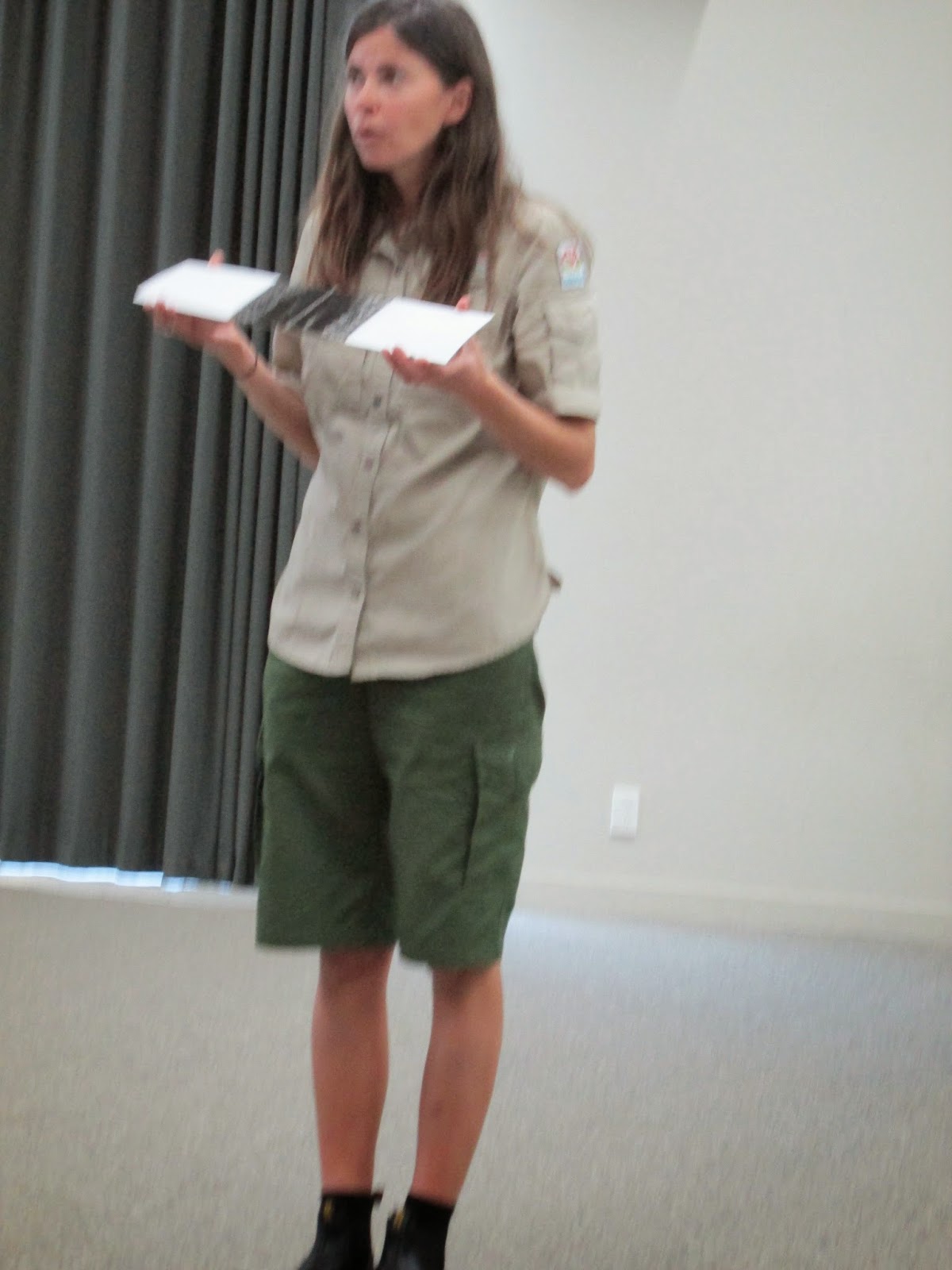
Ms Baine holding the ink pad that helps us know what pest animals we have in our area...

 We learned heaps today... Thank you Ms Baine.  We will tell you what we find next week!

Community Inquiry: Learning About Animal Pests in our Neighbourhood

Anna Baine came to talk to the students in 3 Yr 4 classes about animal pests. Animal pests are unwanted animals. There are hedgehogs, possums, feral cats, stoats ferrets, weasels, rats and mice. These are unwanted as they harm our native birds and trees. 

To help us find what pests are around Elm Park School we set up tracker tunnels in Elm Park and within the school. These tracker tunnels will let us identify the footprints of pests in our neighbourhood. The tunnel has an ink pad within it so we are able to identify the footprints when we check the tunnels every few days. 


To lure the pest into the tunnels we placed a leaf with peanut butter on top within the tunnel as bait to attract the pest.


Richelle holding one of the tracker tunnels
 
Anna Baine and students deciding where to put the tracker tunnels

Next week we will check on the tunnels and record what we  find.  Then we can decide on what action we need to take to control pest animals in our school and on the Elm Park Reserve.


Monday, June 2, 2014

Our Learnz Virtual Trip aboard RV Tangaroa: Argo Floats- Taking the Pulse of the Worlds' Oceans

We are really excited about being involved in the Argo Floats scientific programme!

What will we be doing?
Taking a nine day voyage with scientists to track the pulse of the ocean.  We will be adopting our own float and sending the data to the scientists.
RV Tangaroa- photo from Learnz
What are Argo Floats? Argo Floats are mechanical robots that float in the oceans and send important information to satellites orbiting the Earth. There will be scientists from NIWA, NOAA and CSIRO on board the RV Tangaroa. The scientists will be dropping two types of floats: regular floats that can descend to 2,000m and a new Deep Argot Float that can get down to 5,500m below the surface. 

To get a great idea of how argot floats work see the following animated video: How Argot Floats Work:

Where we will be going?
We will be going to the Kermadec Islands because they are near a very deep part of the ocean called the Kermadec Trench. The new Deep Argot robots will be able to descend to 5,500m- an amazing feat.


The Kermadec Islands where we are going- photo from Learnz


Saturday, April 26, 2014

Mr Dreyer Shares his Armed Forces Experiences


Many classes have been studying the ANZAC campaign leading up to ANZAC Day on 25 April. 2014 is the 99th year after the campaign at Gallipoli in which just over 11, 000 Australian and New Zealand soldiers (ANZACs) lost their lives.  2721 New Zealand soldiers were killed.

The Senior classes had invited a guest speaker to talk about his experiences and the Year 4 classes were very fortunate to listen to his talk as well.

Mr Dreyer was in the NZ army for 20 years before he retired and took up a business career. 


Mr Dreyer

Mr Dreyer's talk was very interesting and thought provoking.  He described all the wars New Zealand soldiers had fought in to support Britain:
  • Anglo-Egyptian War, 1882
  • The Boer War,  1899 -1902
  • World War 1, in Europe and Africa, 1914 -1918 (at Gallipoli 1915)
  • World War 2,  1939 -1945
  • Korean War,  1950 - 1953
  • Vietnam War, 1956 - 1975 (NZ's involvement was in the years 1965-1971)
  • Conflict in Afghanistan, 2001 - present
He spoke to us about his experiences in the Vietnam War in the mid-1960s.  Life was very difficult during the war, for people on both sides.  Mr Dreyer lost many good friends in that conflict.

He answered many questions and we came away with the following insights:
  • war is not a glorious adventure - it takes a huge toll on people, during and after the conflict
  • soldiers and their support personnel have to work hard as a team
  • the armed forces have changed over time - women are now able to take combat roles if they choose
  • New Zealand soldiers have a major role in peace-keeping around the world
  • much of war can be boring - a lot of waiting around before there is action
  • when in a war, you are only concerned with what you are doing and your small area, rather than thinking about where everyone else is and what they are doing
  • war brings people together so you form very close relationships with the people around you - they are like family, you rely on them, you trust them, you form strong friendships

Mr Dreyer
Outline map of  the Bosphorus area in Turkey

Map showing the peninsula and where the ANZAC came ashore at Gallipoli
This map was interesting because it shows a rectangle which represents the area on the Turkish mainland that was successfully taken and held by the French soldiers during this war.  This was the only successful action in the whole of this campaign.  All the troops that landed on the peninsula, to the left of the map, suffered huge loss of life and heavy casualties.

  • NZ lost 2701 soldiers
  • Australia lost 8,709 men
  • Turkey had 251, 000 casualties of whom more than 86, 000 soldiers were killed.
See these websites for background:     NZ History Online
For an Australian perspective see:      Australian Govt ANZAC site

Each year, at the Dawn Services throughout New Zealand, the sacrifice made by all soldiers lost in war are remembered.

 Lest We Forget


Wednesday, April 16, 2014

Cycle Skills - We Finished the Programme!

We were very proud in Week 12 Term 1.  It was the final session in our cycle skills programme with Kerri and Latesha.

Everyone earned their cycle passport after more safety learning about looking to the right slowly to check for cars.  

We love our passports.  They look cool with our own photos - just like a driving licence.

Room 13 is especially proud of all those children who became confident enough to pedal... and to Aaron who ended up loving the experience. Way to go, Aaron! You did it.

Thank you to Kerri and Latesha from Room 13!


A proud group of students with their certificates
Aaron's smile says it all!


Thursday, April 10, 2014

Learning about bacteria and fungus

Room 13 went to a year 5 class today to see the results of some of their investigations into bacteria.We were very amazed at the results! 

Miss Hughes talked to us then showed us some of the petri dishes which had been growing bacteria and mould for a couple of weeks.


Some of the petri dishes looked revolting but we learned that the large, furry patches were fungus not bacteria.  

Bacteria is everywhere in the world - exposure to bacteria is essential so we develop an immunity and we don't get sick.  

We also learned that we need particular types of good bacteria to make things like cheese and yoghurt.

We learned that bacteria shows up in petri dishes as smooth yellow or peach coloured circles. See if you can spot the bacteria in the dishes below...

There was a lot of hand washing that day after we saw these dishes!


We can identify the fungus
and the bacteria... can you?


We will all be washing our hands more carefully.  We need to wash our hands with soap and water for at least 20 seconds and make sure that they are thoroughly dried.


It is  important that we wash and dry hands before using the computers.... and before eating.

Thank you Miss H for letting us see the bacteria cultures.  We will never forget them!